
A check valve doesn't need a large piece of debris stuck inside of it to experience performance problems. In some cases, a contaminant small enough to overlook can prevent the valve from sealing properly.
This is especially true around the O-ring. Check valve tolerances can be extremely tight, so debris from injection-molded plastic parts, O-rings, or other internal components can interfere with sealing and valve operation.
The result may look like a bad check valve when the underlying issue is contamination.
So, what should you look for?
4 Signs of Check Valve Contamination
Contamination can affect how a check valve seals, opens, and controls flow. Four signs to watch for include:
- Leakage
- Reduced flow rate
- Reverse flow
- Excessive pressure drop
1. Leakage
Leakage is one of the clearest symptoms of a bad check valve.
The O-ring needs consistent contact with its sealing surface to create an effective seal. When even a small piece of debris becomes trapped between the two surfaces, the O-ring may not seat correctly.
That can create a path for fluid or gas to pass through a valve that should be closed.
The size of the leak doesn't necessarily reflect the size of the contaminant. Because tolerances are so tight, very small particles can be enough to compromise the seal.
2. Reduced Flow Rate
Debris inside the valve can interfere with the movement of internal components. If contamination prevents the valve from opening fully, it can restrict the flow path and reduce the amount of fluid or gas passing through the valve.
Pro Tip: If you're troubleshooting reduced flow, don't immediately assume there's a larger system issue. Start by inspecting the O-ring and other internal valve components for debris that could be restricting movement.
3. Reverse Flow
A check valve is designed to prevent fluid or gas from flowing backward. If debris gets between the O-ring and its sealing surface, the valve may not close completely.
Even a small gap can allow fluid or gas to leak back through the valve when pressure changes. In applications where backflow can contaminate the process or product, this can create quality, safety, and compliance concerns.
4. Excessive Pressure Drop
An unexpected pressure drop can also indicate that something is interfering with check valve performance.
If contamination prevents internal components from moving correctly, the valve may not open as intended. The resulting restriction can make it harder for fluid or gas to pass through the valve.
That can increase pressure drop while also contributing to reduced flow.
Excessive pressure drop doesn't automatically mean contamination is the cause. But if you're also seeing leakage, reduced flow, or reverse flow, contamination is worth investigating during check valve troubleshooting.
Where Does Check Valve Contamination Come From?
Check valve contamination can occur before the valve is ever installed.
Injection-molded plastic parts are one potential source. Small amounts of debris can remain on a component after molding. If that material isn't removed before assembly, it can eventually reach the O-ring or another internal surface.
O-rings themselves can also arrive with contamination.
The challenge is that these contaminants don't have to be obvious. A component can appear clean while still carrying enough debris to affect a valve with tight tolerances.
That's why controlling contamination at the component level matters.
How Cleaning Helps Prevent Check Valve Problems
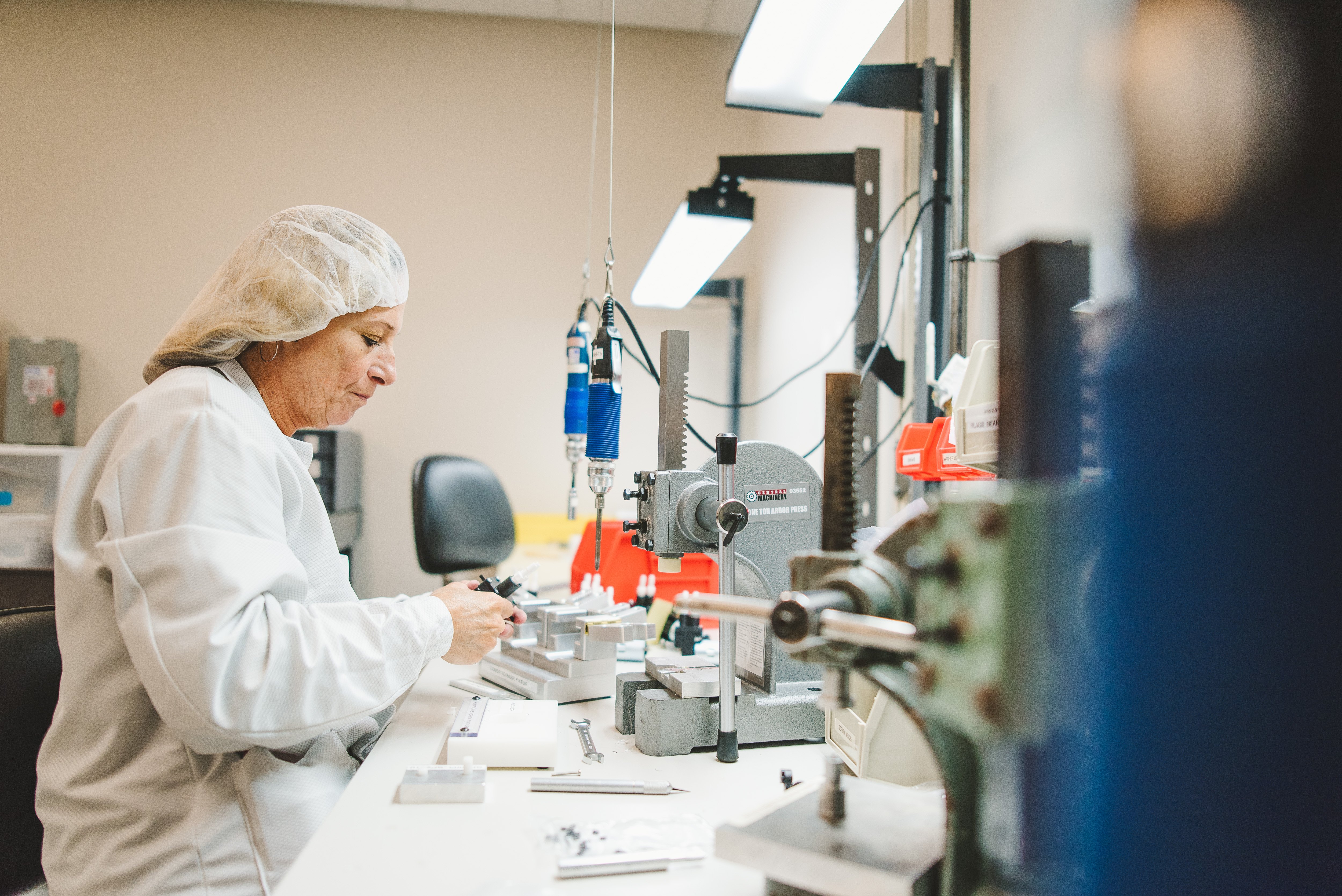
One way to reduce contamination-related failures is to clean components before they're assembled into the valve. Molded parts can be washed and dried to remove debris from manufacturing, while ultrasonic cleaning can be used to remove smaller contaminants when needed.
Similarly, O-rings need to be cleaned and inspected. Even when suppliers double-wash O-rings, contaminated parts can occasionally make it through and should be rejected before assembly.
At Smart Products, we use washing, ultrasonic cleaning, and rigorous inspection where appropriate to help keep contaminants from reaching the sealing surfaces during assembly.
Preventing Contamination-Related Check Valve Failure
With tight valve tolerances, even small contaminants can have a noticeable effect on performance. Keeping O-rings and other internal components clean throughout manufacturing and assembly helps reduce the risk of leakage, backflow, and other valve issues.
Component selection matters, too. The O-ring, spring, valve materials, and plastic body all need to work together for the conditions of the application.
Finding the right combination isn't always straightforward. For help selecting a check valve for your application, contact Smart Products.