Backflow preventers and check valves both help stop reverse flow, but they’re designed for different applications and levels of protection.
A check valve provides one-way flow control in industrial and gas or fluid-handling systems. A backflow preventer is typically used where reverse flow could contaminate a potable water supply.
So, when do you need a backflow preventer vs. a check valve?
Below, we’ll compare their differences, applications, and the factors to consider when selecting the right valve for your system.
Backflow Preventer vs. Check Valve: Key Differences
The main difference between a backflow preventer and a check valve is the type of protection each provides.
|
Factor |
Backflow Preventer |
Check Valve |
|
Primary purpose |
Protect potable water from contamination |
Prevent reverse fluid or gas flow |
|
Typical applications |
Potable water connections, irrigation, fire protection systems |
Industrial equipment, pumps, air lines, plumbing |
|
Design |
Typically incorporates multiple safeguards |
Automatic one-way valve |
|
Regulations |
Often subject to plumbing codes and water authority requirements |
Requirements depend on the application |
|
Complexity |
Generally more complex |
Generally simpler and more compact |
|
Selection factors |
Hazard level, system conditions, applicable codes |
Pressure, opening pressure, flow, media, temperature, materials |
The biggest consideration is what happens if reverse flow occurs.
In an industrial system, reverse flow can interfere with operation or damage equipment. In a potable water system, it can introduce contaminants into the drinking water supply. That increased risk is why backflow prevention devices typically provide additional safeguards.
What Causes Backflow?
Backflow occurs when fluid reverses its intended direction within a piping or tubing system.
This usually happens because of one of two conditions: backpressure or backsiphonage.
Backpressure
Backpressure occurs when downstream pressure becomes greater than supply pressure. Pumps, elevated piping, thermal expansion, and other pressure-producing equipment can create these conditions.
If the pressure difference is large enough, fluid can be forced back toward the supply.
Backsiphonage
Backsiphonage occurs when supply-side pressure drops significantly.
A water main break or sudden increase in system demand, for example, can reduce supply pressure and create a siphoning effect. If a cross-connection is present, potentially contaminated water can then be drawn toward the potable water supply.
Contaminants may include chemicals, fertilizers, pesticides, wastewater, or substances found in irrigation and fire protection systems.
What Is a Backflow Preventer?
A backflow preventer is designed to keep contaminated water from reversing direction and entering a potable water supply.
These devices are commonly installed at cross-connections, where potable water could potentially come into contact with a non-potable source.
Backflow prevention assemblies can incorporate multiple valves, relief mechanisms, or other safeguards. That added protection is important when a failure could affect drinking water quality.
Depending on the application, backflow preventers may be required for commercial and residential water connections, irrigation systems, fire protection systems, and other potable-water cross-connections.
Specific requirements vary by location and application, so the appropriate backflow prevention method should always be confirmed with applicable plumbing codes and local water authorities.
What Is a Check Valve?
A check valve is an automatic valve that allows fluid or gas to travel in one direction while restricting flow in the opposite direction.
When sufficient upstream pressure is present, the valve opens and allows media to pass. If flow stops or reverses, the internal mechanism moves back toward its seat and closes the flow path.
Because this process happens automatically, check valves can provide reliable one-way flow control without an external actuator or manual operation.
Check valves are commonly found in:
- Industrial equipment and machinery
- Pumps and fluid systems
- Air and pneumatic lines
- Plumbing systems
- OEM equipment
Sometimes, their compact design and configurable operating characteristics also make check valves useful when one-way flow control needs to be integrated directly into a larger assembly.
How Does a Check Valve Work?
A check valve operates according to the pressure difference between its inlet and outlet.
Forward pressure pushes against the valve's internal sealing mechanism. Once that pressure becomes high enough to overcome the force holding the valve closed, the valve begins to open.
Fluid or gas can then pass through in the intended direction.
When forward pressure decreases or pressure begins pushing media in the opposite direction, the valve closes and restricts reverse flow.
How easily the valve opens depends in part on its opening pressure.
What Is Check Valve Opening Pressure?
Check valve opening pressure is the pressure differential at which the valve begins to open.
For example, if a check valve has an opening pressure of 1 psi, the upstream pressure differential must reach approximately 1 psi before the valve starts to open.
Opening pressure is different from operating pressure. Operating pressure describes the pressure the valve experiences during normal system operation. Opening pressure tells you when the valve starts opening.
Why Check Valve Opening Pressure Matters
The proper opening pressure depends on how the valve needs to behave within the system.
If opening pressure is set too high, the available upstream pressure may not be sufficient to move the spring and open the valve as intended. The result can be restricted flow or improper operation.
If opening pressure is set too low, the valve may not provide the flow control the application requires.
Opening pressure should therefore be considered alongside system pressure, flow requirements, media, temperature, materials, and other operating conditions.
Check Valve vs. Backflow Preventer: Which One Do You Need?
When choosing between a check valve vs. backflow preventer, start with what the valve needs to protect.
If you need to control reverse flow within equipment or an industrial fluid system, a properly selected check valve may be the right solution.
If you’re protecting a potable water supply from contamination, you'll need to determine what type of backflow prevention device is required for the application.
The decision shouldn't come down to cost alone.
Instead, consider the consequences of reverse flow, system design, operating conditions, contamination risk, and applicable regulations.
Can a Check Valve Be Used as a Backflow Preventer?
A check valve can stop reverse flow, but that doesn't automatically make it a substitute for a backflow preventer.
This distinction is especially important in potable water applications.
Backflow prevention devices may incorporate multiple safeguards and can be subject to specific installation, testing, and regulatory requirements. A standard check valve is primarily designed to provide one-way flow control.
When a potable water supply is involved, verify the required backflow protection with the applicable plumbing code or water authority.
Common Check Valve Applications
Check valves are used across industrial and commercial systems where fluid or gas needs to move in one direction.
In a pump system, for example, a check valve can prevent fluid from returning through the pump after shutdown.
Within industrial equipment, a check valve may help isolate part of a fluid circuit or prevent pressure from moving back toward another component.
OEMs can also incorporate compact check valves directly into their equipment. This provides one-way flow control without requiring a larger externally mounted valve.
The specific valve configuration depends on the operating conditions of the application.
Backflow Preventer vs. Check Valve FAQs
What Is the Difference Between a Backflow Preventer and a Check Valve?
A check valve is designed to allow flow in one direction and restrict reverse flow. A backflow preventer is specifically designed to protect potable water from contamination and may incorporate multiple safeguards.
Does a Check Valve Prevent Backflow?
Yes. A check valve restricts reverse flow through a fluid or gas system.
However, a standard check valve doesn't necessarily meet the requirements for potable-water backflow prevention.
Can a Check Valve Replace a Backflow Preventer?
Not when an approved backflow prevention device or assembly is required.
If the application involves potable water, the appropriate protection should be determined according to applicable plumbing codes and local water authority requirements.
Where Are Check Valves Used?
Check valves are commonly used in pumps, air lines, plumbing, industrial equipment, fluid systems, and OEM assemblies that require automatic one-way flow control.
How Do I Choose the Right Check Valve?
Start by identifying your operating pressure, opening pressure, flow requirements, media, temperature, connection requirements, body material, O-ring material, and applicable regulatory requirements.
These specifications work together, so check valve selection should be based on the complete operating environment.
Find the Right Check Valve for Your Application
Backflow preventers and check valves address the same basic problem, unwanted reverse flow, but they solve it in different ways.
Backflow preventers are designed to protect potable water against contamination. Check valves provide automatic one-way flow control for a much broader range of industrial, commercial, and OEM equipment.
When you need a check valve, the next question is which configuration fits your system. Opening pressure, operating pressure, media, temperature, flow, body material, O-ring material, and connection style can all influence valve performance.
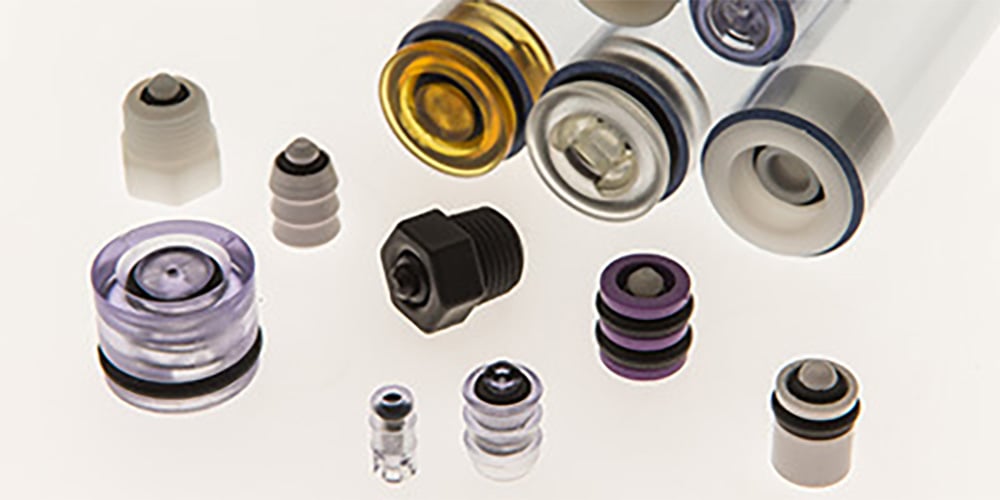
Smart Products manufactures plastic check and pressure valves worldwide, with options for different materials, spring pressures, sizes, and configurations.
To find the proper materials, opening pressure, size, and configuration for your system, contact Smart Products to discuss your requirements.