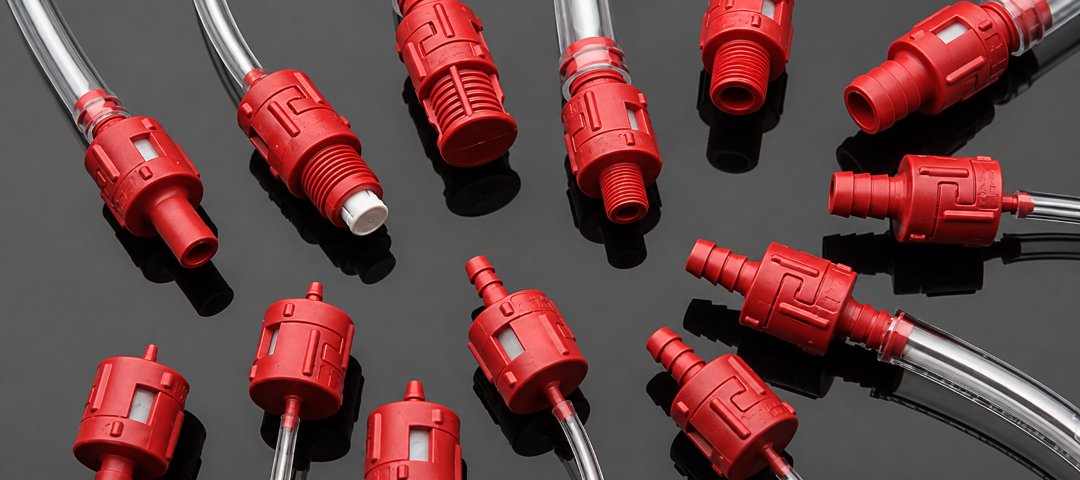
In industrial products and processes, materials matter.
A check valve’s material makeup affects its performance, durability, and your ability to use it in certain applications.
If you’ve done any industrial work with fluids or chemicals, chances are you’ve heard of polypropylene (PP). It’s been known for doing good work in exposed environments (to the point that ~75% of our customers’ orders are for polypropylene.)
That doesn’t automatically mean polypropylene will work in your system. If you want to know whether PP check valves are compatible with your project, read on.
Basics of PP Check Valve Material
Polypropylene is a type of thermoplastic polymer and a member of the olefin family. Those fancy words translate into this: A manufacturer heats the material, molds it into a desired shape, and cools it until it solidifies.
Polypropylene is far from the only plastic manufacturers use to make check valves. Other different types of check valves materials include:
- PVC – polyvinyl chloride
- PVDF – polyvinylidene fluoride
- Nylon

These materials differ in performance traits – hardness, chemical compatibility, heat resistance, and so on. Keep in mind, there’s no single material that can handle every operating condition.
Material choice doesn’t stop there. Some valve manufacturers opt for glass-filled polypropylene. This is a composite material containing glass fibers that reinforce the plastic. (We’ll get into why in a bit.)
Polypropylene check valve components are commonly manufactured through injection molding. During this process, heated plastic is injected into a mold, then cooled and solidified into the desired shape. Because different plastics shrink at different rates during cooling, manufacturers must account for material properties when designing molds and establishing dimensional tolerances.
|
The inner components of the valve – like the o-ring and spring – aren’t made from the same material as the body. When selecting a valve, make sure both the external and internal materials are ideal for your application.
Benefits of Polypropylene Check Valves
Polypropylene is a balanced material option with a few standout advantages. Here are the benefits most relevant to check valves:
Resists Chemicals
PP check valves offer a wide spectrum of chemical resistance, especially to:
- Strong alkalis
- Acids
- Some organic solvents
When compatible with the fluid your operation is handling, PP can resist chemical attack and degradation, extending the service life of the valve.
Resists Other Corrosion & Degradation
Unlike metal check valve components, polypropylene doesn't rust and isn’t prone to galvanic corrosion. This makes PP a practical material for fluid-handling systems where moisture or corrosion could cause deterioration, extra maintenance, and a shorter life span.
Polypropylene itself absorbs very little moisture, helping it maintain dimensional stability in wet environments. For check valves, this is particularly valuable because a tiny change in component dimensions can ruin the fit and seal.
Handles the Heat (to a Certain Point)
PP generally offers better heat resistance than some commodity plastics, like polyethylene. It’s a viable option for handling moderate heat from liquids or gas – to a point.
A polypropylene valve's exact limit can depend on its specific formulation, internal materials, operating pressure, and duration of exposure. Smart Products' polypropylene valves, for example, can operate at up to 180°F.
Verify the complete assembly's temperature rating before settling on it for your application.
Dimensional Stability & Strength
Polypropylene offers enough mechanical (tensile) strength and rigidity for many low-pressure check valve applications. These properties help valve parts keep their shape under normal operating conditions, supporting consistent fit and performance.
Some PP valve makers (including us) use glass-filled polypropylene to further boost the material's stiffness and dimensional stability. The added reinforcement helps molded components retain their shape – important for valve applications that depend on precise fit and reliable sealing. Polypropylene’s chemical makeup results in reduced fallout vs. other plastics, allowing manufacturers to produce parts with consistent geometry.
Lightweight
Polypropylene check valves weigh as little as 15-20% of comparable metal valves, reducing the overall weight of fluid-handling systems. If space, weight, and component loading are important design considerations in your project, consider a lightweight plastic like PP.
Their lightweight construction also makes PP check valves easier to handle and install, while reducing the load placed on connected piping and supporting structures. And as we’ll touch on in a minute, lower component weight also can translate to lower costs.
Color Coding
A manufacturer can mold polypropylene in different colors. This gives OEMs a way to distinguish between:
- Valve configurations
- Fluid lines
- Equipment functions
This can make it easier for workers to identify parts during assembly and maintenance.
Total Cost of Ownership Is A+
Metal alternatives can cost up to 5x more than polypropylene check valves. PP is relatively inexpensive to manufacture through injection molding, and its lightweight construction reduces shipping and handling prices.
The budget benefits extend beyond the initial purchase price. Polypropylene's resistance to rust and compatible chemicals can reduce maintenance and replacement costs over the valve's service life.
When an application's requirements don't call for a specialty polymer or corrosion-resistant metal, polypropylene can provide the necessary performance at a lower overall cost. But beware: Picking a cheaper valve that fails prematurely can ultimately cost more than investing in a material specially built for your operating conditions.
Will Polypropylene Work in Your Application?
Part of why PP appeals to engineers is that it works in such a wide range of applications. For example, the versatility of this material makes it available in every series of our check valves (cartridge, NPT, modular, and miniature).
In short, polypropylene is a go-to material for facilities that need uninterrupted operation. Here are a few common use cases:
Chemical Processing
Thanks to its resistance to a wide range of chemicals, polypropylene is a practical material for check valves used in processing and fluid-handling equipment. PP check valves can control the flow of compatible chemical solutions without the corrosion or material degradation that certain metals may experience.
Common applications include:
- Chemical processing systems
- Chemical dosing and metering systems
- Acid and alkali transfer equipment
The lightweight nature of PP valves can be especially useful for OEMs designing chemical dosing equipment, analytical instruments, and compact process systems. They're also worth considering in fertilizer manufacturing and other industrial processes involving corrosive chemicals.
In certain applications, polypropylene can offer chemical resistance that would otherwise require more expensive metal alloys or specialized protective linings. For example, PP is generally resistant to hydrochloric acid under suitable operating conditions, whereas carbon steel is susceptible to corrosion. Plastic valve components can also help minimize the introduction of metal ions into sensitive process fluids, which may be important in high-purity chemical manufacturing or processes involving contamination-sensitive catalysts.
Note that chemical compatibility depends on the specific substance, concentration, and temperature. Don’t assume!
Water Treatment & Fluid Handling
Polypropylene valves are common in industrial water and wastewater treatment work because they offer both corrosion resistance and a wide operating range of temperatures. Popular use cases for PP check valves are chlorine dosing, sensitive water systems, and other fluid handling situations because they can endure exposure to:
- Brine
- Chlorinated water
- Bleach
When corrosion and ongoing maintenance are concerns in your fluid-handling application, PP check valves are a practical choice.
Polypropylene can also be useful in compact water-treatment equipment where precise flow control and dependable backflow prevention are necessary. In applications with high-purity water, valve designs with no exposed metallic components can help minimize the risk of contamination from the valve itself.
As with other chemical-processing applications, the value of polypropylene depends on the fluid's concentration, temperature, and the material makeup of the rest of the assembly.
Food & Beverage
Polypropylene check valves’ corrosion resistance and ability to handle moderately elevated temperatures make them practical for work such as:
- Drink dispensing
- Coffee brewing
- Syrup delivery systems
Food-contact applications may require specific PP variations that meet FDA requirements. Certain parts of the valve, including O-rings and springs, also need to be cleared for product, temperature, and use case compatibility. The FDA’s resources can help you determine the regulatory status of food-contact materials.
Medical & Science
Medical devices and lab instruments often require precise fluid control within compact spaces. Polypropylene check valves offer customizable opening pressures and peace of mind in tricky operating environments.
Your manufacturer may offer a gamma-compatible PP material for devices that must withstand a radiation sterilization cycle. Gamma sterilization uses radiation to inactivate microorganisms – it’s a common solution for products that must be sterile before use.
|
If your system requires extra-strict contamination control, look closely at your vendor’s production process. For example, Smart Products offers ISO Class 7 cleanroom manufacturing capabilities. |
When to Steer Clear of Polypropylene Check Valves
There are reasons that 75% – and not 100% – of our valves are polypropylene. Despite its many perks, polypropylene isn't ideal for every fluid- or gas-handling application.
Consider alternative materials if your operating conditions exceed the capabilities of a PP check valve:
|
Requirement |
Limitation |
|
High temperature |
When operating temperatures exceed ~180°F, polypropylene’s strength and pressure-handling ability begin to degrade |
|
Incompatible chemicals |
Strong oxidizing agents and certain chlorinated hydrocarbons can degrade PP. |
|
Transparent parts |
PP is opaque, so avoid it if you need clear visibility of internal fluid flow. |
|
High pressure or stress |
May lack strength or dimensional stability for high internal pressure, heavy mechanical load, or repeated impact. |
|
UV & ozone exposure |
Long-term sunlight exposure can degrade PP unless formulation includes UV stabilizers. For ozone exposure, PVDF is a better choice. |
Temperature, pressure, and chemical compatibility are almost always the top factors in whether a PP check valve makes sense for your application.
Polypropylene: Useful, but Not in Every Use Case
Polypropylene brings a useful balance of chemical resilience and low cost to fluid-handling assemblies. In low-pressure applications, its value depends on the complete valve design and operating environment. In the right system, the ability to withstand aggressive chemicals, handle mechanical stress, and function with little maintenance make it a valuable asset.
Choosing the right check valve type affects not just the performance of your system on Day 1, but also long-term safety, maintenance, and cost. To learn more about selecting a proper valve material, visit our resource page: